
Overview
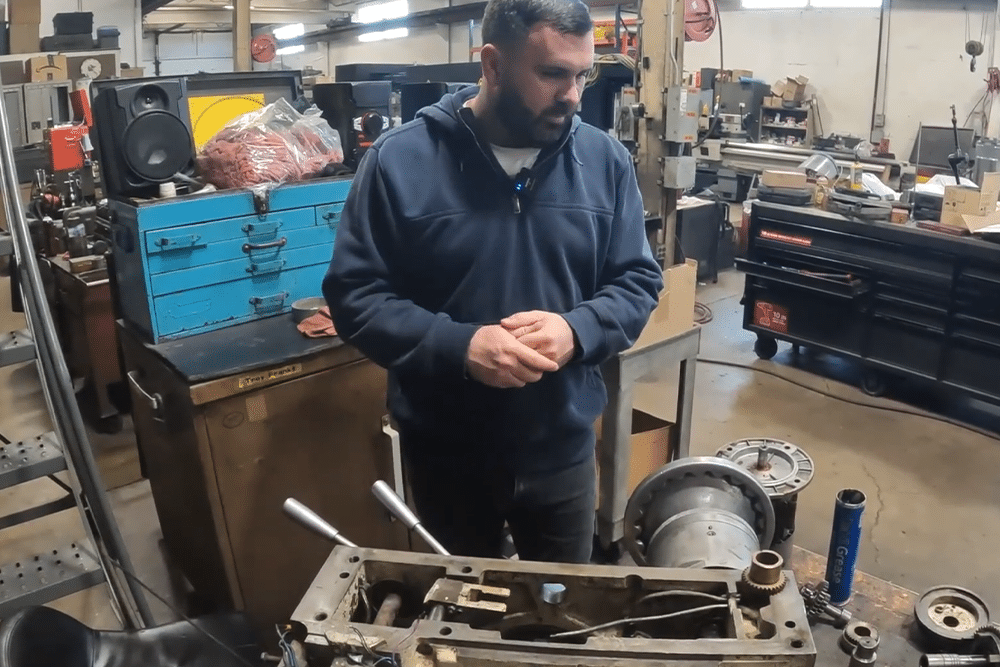
A customer relied on Precision Service Machine Tool Rebuilders to inspect and rebuild the apron from a Poreba TPK lathe. The apron is a critical assembly that controls carriage movement, feed engagement, and operator control during turning operations. When internal components become worn, damaged, or unreliable, the machine can experience poor feed performance, inconsistent carriage travel, gear noise, engagement problems, and increased risk of additional component failure.
For this project, our team cleaned and thoroughly inspected the apron assembly, reviewed the condition of the internal parts, identified gear-related wear concerns, and prepared the apron for replacement components where needed. By focusing on detailed inspection before reassembly, Precision Service Machine Tool Rebuilders helped the customer avoid a surface-level repair and instead addressed the mechanical condition of the apron at the component level.
This project demonstrates the value of experienced machine tool rebuilding, especially when working with heavy-duty legacy equipment such as Poreba TPK lathes where part condition, fit, and function must be carefully evaluated before the machine returns to service.
Project Background & Objectives
Poreba TPK lathes are heavy-duty machines built for demanding turning applications. Their size, rigidity, and capacity make them valuable assets in manufacturing environments, repair facilities, and large-part machining operations. However, as these machines age, key assemblies such as the apron can develop wear that affects both performance and operator confidence.
The apron plays an important role in:
- Carriage movement
- Longitudinal feed operation
- Cross-feed operation
- Handwheel control
- Feed engagement and disengagement
- Power transmission through internal gears and shafts
- Smooth, controlled machine operation
For this project, the customer needed Precision Service Machine Tool Rebuilders to inspect the Poreba TPK apron and determine which internal components could be reused and which required replacement.
The main objectives were to:
- Clean and inspect the apron assembly
- Evaluate the condition of internal gears and related parts
- Identify worn, damaged, or questionable components
- Replace gear components where required
- Support dependable feed and carriage operation
- Help prevent future apron-related machine issues
- Prepare the assembly for reliable service after rebuild
Rebuild Process
- Apron Cleaning & Preparation
- Part-by-Part Inspection
- Gear Condition Evaluation
- Replacement Part Identification
- Apron Rebuild Planning
Precision Service Machine Tool Rebuilders began by cleaning the apron assembly so the internal parts could be properly evaluated. This step is essential because oil, debris, chips, and contamination can hide wear patterns or damage that may not be obvious during a quick visual review.
Once cleaned, the apron could be inspected more accurately. Our team was able to look closely at the condition of gears, shafts, bearings, bushings, engagement components, and contact surfaces before making repair decisions.
After cleaning, the apron was inspected component by component. Rather than assuming the assembly only needed basic reassembly, our team reviewed the internal parts to determine their actual condition.
This inspection included checking for issues such as:
- Worn or damaged gear teeth
- Excessive backlash
- Poor gear engagement
- Shaft wear
- Bushing or bearing wear
- Scoring or metal transfer
- Loose or damaged internal components
- Signs of improper lubrication
- Evidence of prior wear or repair concerns
This level of inspection is especially important on older heavy-duty lathes. A worn gear or damaged internal part may still appear usable at first glance, but once the machine is under load, that same component can cause poor feed performance, chatter, noise, or additional mechanical failure.
A major focus of this apron rebuild was gear inspection and replacement planning. Gears inside the apron are responsible for transferring motion through the feed system and supporting controlled carriage or cross-slide movement.
When gear wear is present, operators may notice:
- Rough or inconsistent feed movement
- Noise during operation
- Difficulty engaging feeds
- Uneven carriage travel
- Slop or hesitation in the controls
- Premature wear on related components
Precision Service Machine Tool Rebuilders inspected the gears closely to determine which components could remain in service and which needed to be replaced. This helped ensure the rebuild was based on mechanical condition rather than guesswork.
Once worn or damaged components were identified, our team moved into replacement planning. With legacy machines such as Poreba lathes, this step requires experience because parts may not always be readily available in the same way they would be for newer equipment.
The process required careful attention to:
- Gear fit and compatibility
- Tooth condition and proper mesh
- Shaft relationships
- Assembly clearances
- Component sequencing
- Long-term serviceability
By identifying the correct replacement needs during inspection, Precision Service Machine Tool Rebuilders helped reduce the risk of reassembling the apron with parts that could create future machine problems.
With the inspection complete and replacement needs identified, the apron could be prepared for the next stage of rebuilding. This stage is about more than simply installing parts. The assembly must be rebuilt in a way that supports proper function once it is back on the machine.
Our rebuild planning considered:
- How the replacement gear components interact with existing parts
- Whether related components showed signs of wear
- How the apron would function once reinstalled
- What additional checks would be needed before final service
- How to help the customer avoid repeat failures
This careful approach helps ensure the apron is not only repaired, but restored with the machine’s long-term performance in mind.
Value Delivered by PSMTR
Project Outcome
The Poreba TPK lathe apron was cleaned, inspected, and evaluated for gear replacement needs. Through detailed part inspection, Precision Service Machine Tool Rebuilders identified the components that required attention and prepared the apron for a more reliable rebuild.
This project helped the customer move forward with a clearer understanding of the apron’s condition and the repair steps needed to restore dependable machine performance. By addressing worn internal components before the apron returned to service, PSMTR helped protect the customer from additional downtime and future mechanical issues.
Conclusion
This Poreba TPK lathe apron rebuild highlights the importance of detailed inspection during machine tool repair. The apron is a critical control and feed assembly, and worn internal gears or related components can affect the performance of the entire lathe.
Precision Service Machine Tool Rebuilders provided the inspection, rebuild planning, and gear replacement expertise needed to help restore dependable apron function. For manufacturers operating heavy-duty legacy lathes, this type of component-level rebuild can be a smart alternative to premature machine replacement.
When apron performance begins to decline, professional inspection and rebuilding can help extend machine life, improve reliability, and keep valuable equipment productive.
Disclaimer
This case study is provided for informational purposes only. Machine condition, repair requirements, operating environment, replacement part availability, and performance outcomes vary by project. Actual results may differ. Always consult qualified machine tool rebuilding professionals before making equipment repair or replacement decisions.