Repairs Vs. Rebuilds
Machine Tool Repair vs. Rebuild: The Essential Guide to Maximizing Asset Life
At Precision Service Machine Tool Rebuilders, we help you decide not just how to fix your machine, but how to invest in it—whether that means a targeted repair or a full rebuild that gives it another 20+ years of productive life.
Below, we break down the difference between machine tool repair and machine tool rebuild, what goes into each, and when each is the right choice for your equipment.

Repair vs. Rebuild: The Big Picture
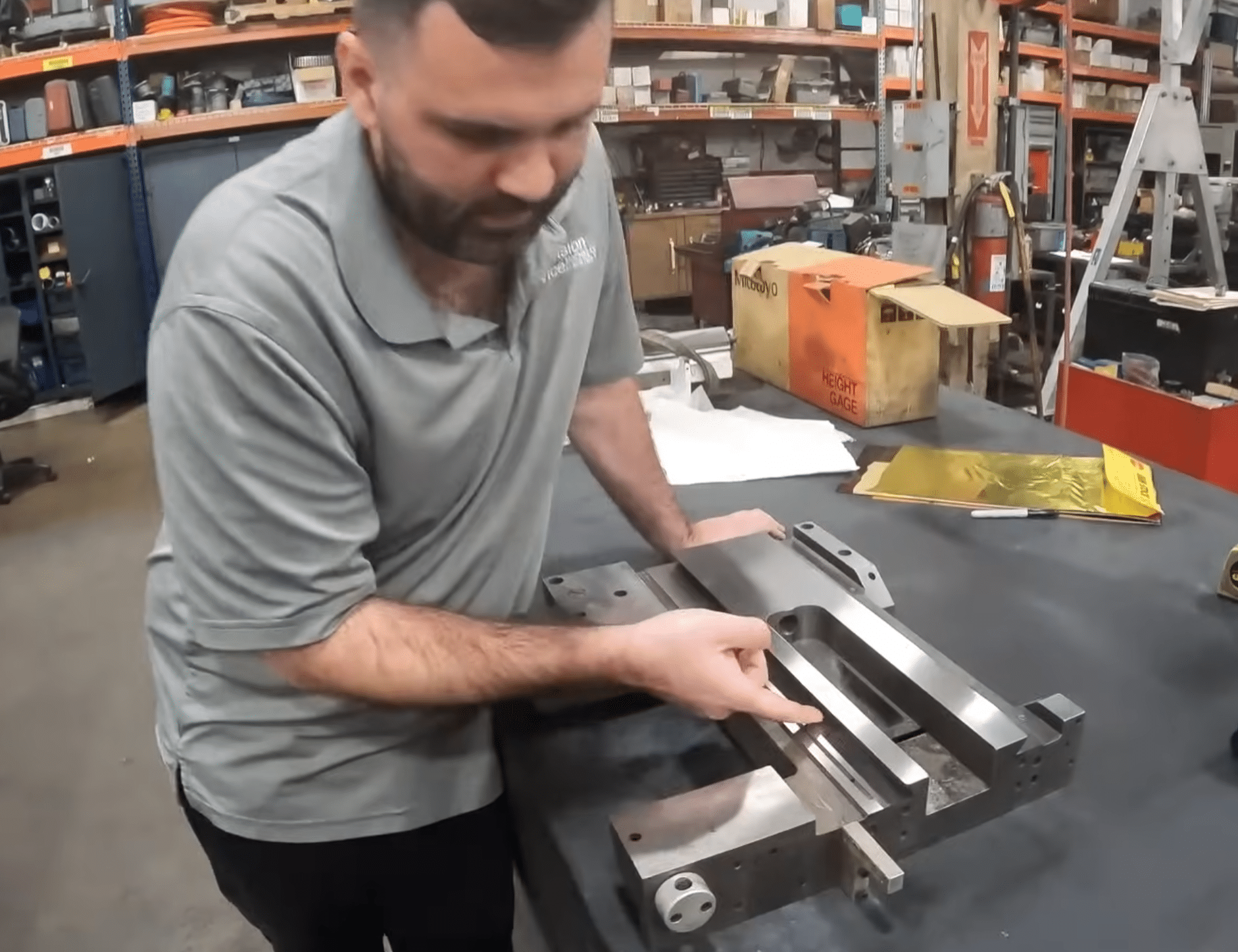
Machine Tool Repair
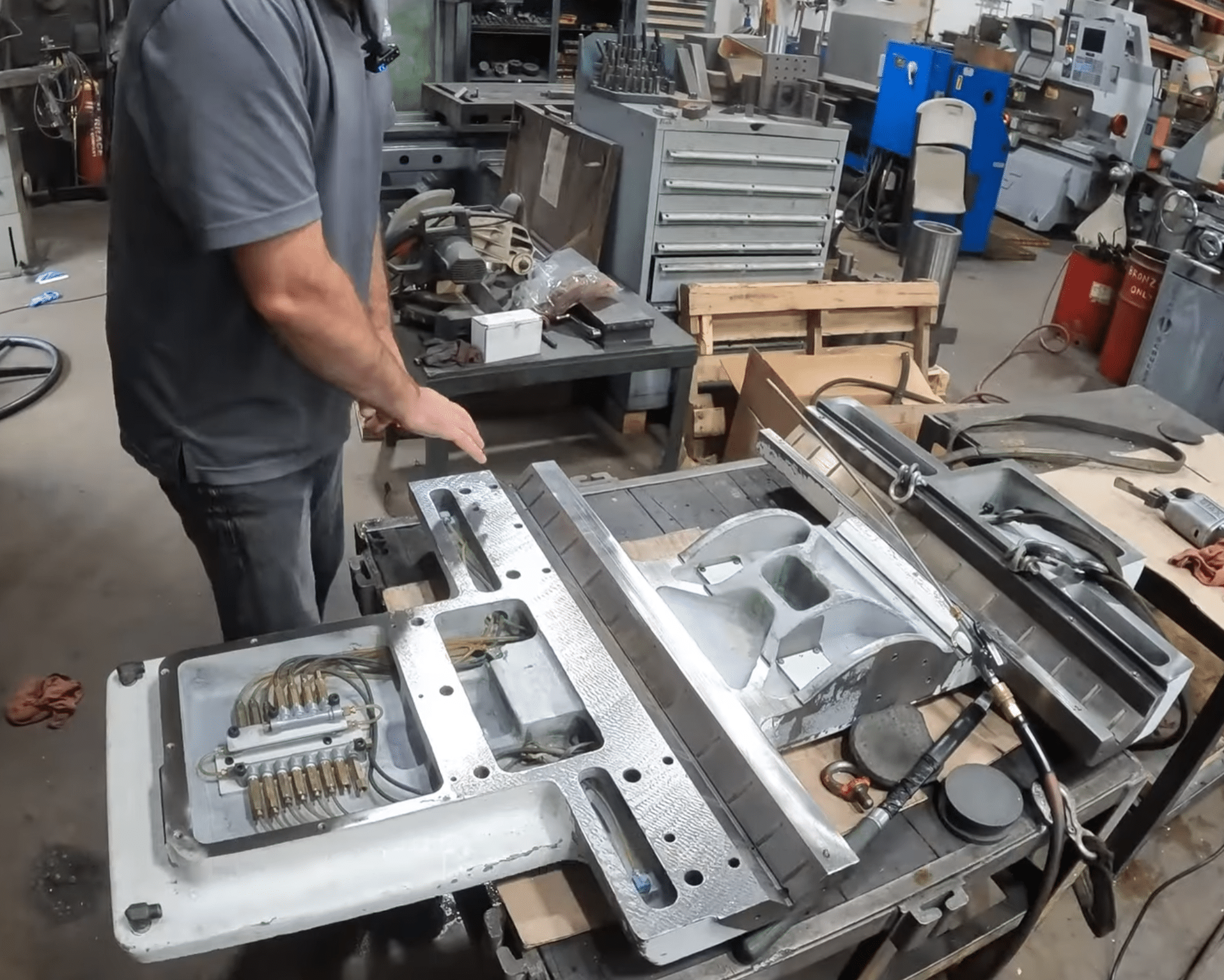
Machine Tool Rebuild
We do both, every day. The right choice depends on your machine’s condition, your production requirements, and your long-term plans for the asset.
What Is a Machine Tool Repair?
When we repair a machine tool, we’re solving a defined problem: a failure, a drift in accuracy, or a performance issue that’s affecting throughput or part quality.
Depending on what we find during inspection, a repair project might include:
The machine stays fundamentally the same; we’re restoring it to the level of performance it should be capable of right now, without changing its underlying design.
A repair is usually the best fit when:
- The machine is relatively modern and still well-supported by the OEM.
- There’s a specific, identifiable issue (spindle failure, servo fault, backlash in a single axis, etc.).
- The machine usually holds tolerance, but an isolated problem is impacting part quality.
- Downtime needs to be minimized—a repair can often be completed faster than a full rebuild.
- You want a cost-effective, short- to mid-term solution without a major capital project.
If your production depends on a machine and you “just need it back,” our repair team focuses on restoring operation quickly and correctly, with a clear scope and documented work.
What Is a Machine Tool Rebuild?
A rebuild is a comprehensive renewal of your machine tool. We aren’t just fixing what’s broken; we’re addressing wear, obsolescence, and accuracy, often from the casting up.
A full rebuild at Precision Service commonly includes:
At the end of a rebuild, you essentially have a “new” machine on a proven casting, often with better reliability and capability than the original, at a fraction of replacement cost.
A rebuild usually makes the most sense when:
- The machine has excellent iron (major OEM, heavy cast base) but:
- Can’t hold tolerance consistently
- Shows significant wear on ways, screws, and critical assemblies
- Has chronic breakdowns or recurring failures
- The OEM:
- No longer supports the model, or
- Replacement machines are extremely costly or have long lead times.
- The machine is production-critical:
- Large horizontal or vertical boring mills
- Big lathes and VTLs
- Grinders, planers, gantry mills, and other large-frame tools
- You need:
- Modern controls on a proven mechanical platform
- A long-term solution that extends useful life by 10–20+ years
- Improved accuracy, reliability, and productivity vs. just “getting by”
In these cases, a rebuild is an investment, not just a repair. You’re upgrading a known asset instead of gambling on unknown lead times, new foundations, or re-tooling for a brand-new machine.
How We Help You Choose: Repair or Rebuild?
We don’t start with a decision; we start with data.
When you contact Precision Service, our process typically includes:
Application Review & History
✓ What parts do you run, what tolerances are required, and how critical is this machine?
✓ What failures or issues have you seen over the last few years?
On-site assessment or detailed inspection
✓ Check basic geometry and condition
✓ Evaluate wear patterns, backlash, and structural issues
✓ Review control, electrical, and hydraulic systems
Side-by-side options
✓ Repair scenario – scope, timeline, and budget for restoring current performance
✓ Rebuild scenario – scope, timeline, and budget for long-term renewal
✓ Where appropriate, we’ll also discuss retrofit options for controls and drives.
Business-level discussion
✓ Remaining useful life of the machine in your plant
✓ Cost and lead time for new equipment vs. rebuild
✓ Impact on uptime, part quality, and maintenance budgets
Quick Comparison: Repair vs. Rebuild
Talk Through Your Machine with Precision Service
Whether you’re fighting a single fault or deciding if it’s time to invest in a full rebuild, our team can walk you through the options and the numbers.
If you’d like us to review a specific machine:
We’ll help you determine if a precision repair or a comprehensive rebuild is the best move for your operation—and then execute that work to the standard that’s kept us in business since 1983.