A used machine tool can be a smart investment, but only if its condition is understood before purchase. A machine that looks good on the outside may have worn ways, backlash, spindle issues, electrical problems, poor lubrication, or hidden crash damage.
Before buying used equipment, manufacturers should evaluate more than age, brand, and price.
Start with the Machine’s History
A used machine’s value depends heavily on how it was used and maintained. Important questions include:
- What type of work did it perform?
- How many shifts did it run?
- Was it used for heavy roughing or lighter finishing?
- Has it been crashed?
- Has it been rebuilt or retrofitted?
- Are maintenance records available?
- Are parts and control support still available?
A clear history does not guarantee machine condition, but it helps guide the inspection.
Inspect Mechanical Condition
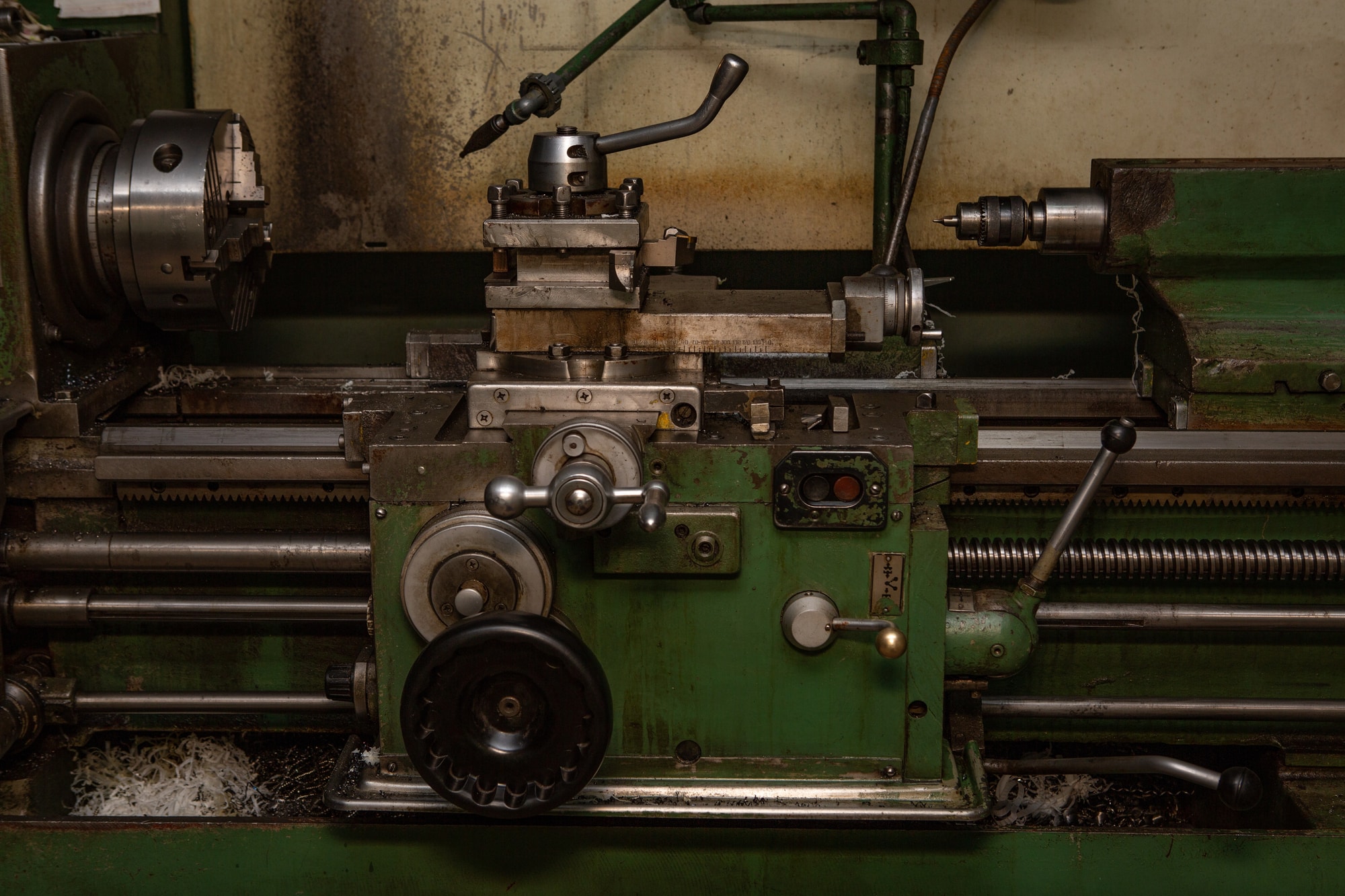
Mechanical inspection should include ways, slides, gibs, ballscrews, bearings, spindle condition, lubrication, backlash, leveling, and visible wear patterns. Machines with long travels or heavy use should be checked carefully for geometry issues.
Paint condition is not a reliable indicator of machine health. A clean machine can still have serious wear, and an older machine can still be a good candidate if the structure is sound.
Check Electrical and Control Support
Controls, drives, motors, cables, cabinets, fans, encoders, and wiring should be reviewed. Obsolete controls or unsupported components can affect serviceability and downtime risk.
A machine may still be worth buying if a retrofit is planned, but those costs should be included in the decision.
Watch the Machine Run
Whenever possible, the machine should be powered up and cycled. Listen for abnormal noise, check motion, review alarms, observe tool changes, inspect spindle operation, and look for signs of heat, vibration, or inconsistent movement.
A test cut or inspection report can provide additional confidence.
Make the Purchase with Eyes Open
At Precision Service Machine Tool Rebuilders, we help manufacturers evaluate machine condition and understand whether a used machine is production-ready, repairable, rebuildable, or too risky. The goal is not to avoid used equipment. The goal is to buy it with a clear understanding of what it will need.