Way liners such as Turcite and Rulon are commonly used to restore sliding surfaces, reduce friction, support smooth motion, and extend the service life of machine tool ways. However, replacing liner material is not just a matter of bonding new material in place. Proper preparation, fitting, scraping, and alignment are essential.
When way liner work is done correctly, it can help restore smooth and accurate machine movement. When it is done poorly, it can create new problems.
What Way Liners Do
Way liners provide a bearing surface between moving machine components. They can help reduce friction, improve motion, support oil film, and compensate for wear after surfaces have been repaired or restored.
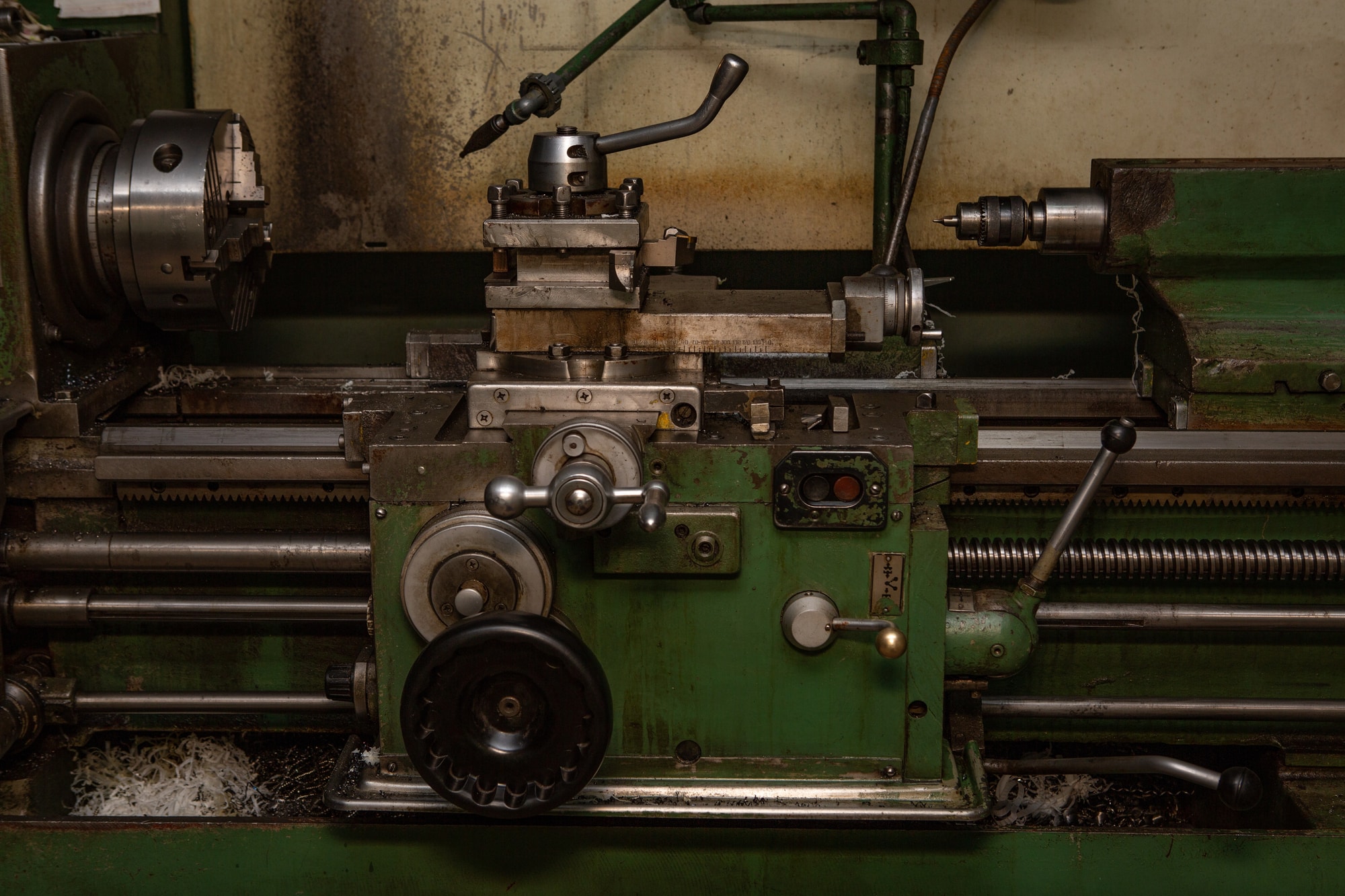
They are commonly used on saddles, cross slides, tables, columns, and other components that rely on controlled sliding contact.
Why Replacement Requires Care
Old liner material must be removed properly, and the surface underneath must be cleaned, inspected, and prepared. The new material must be bonded correctly, then fitted to the mating surface.
If the liner is too tight, too loose, uneven, poorly bonded, or not scraped properly, the machine may suffer from binding, inconsistent motion, poor oil distribution, or accelerated wear.
Scraping Establishes the Contact
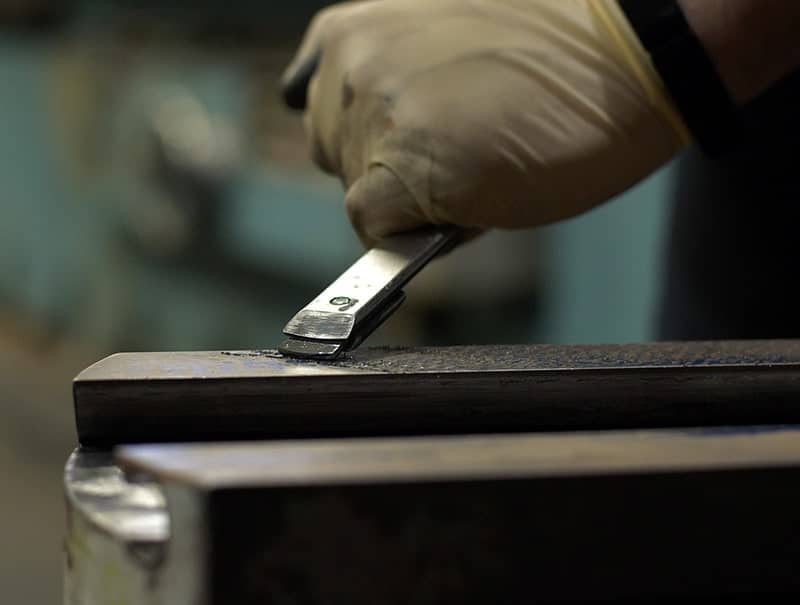
Hand scraping helps create the correct bearing pattern between the liner and the mating surface. This contact pattern is important for load support, smooth movement, and lubrication retention.
The goal is not simply to make the machine move. The goal is to make it move smoothly, consistently, and accurately across its travel.
Alignment Completes the Work
Way liner replacement must be considered alongside geometry. After liner work, the machine may need leveling, gib fitting, squareness checks, straightness checks, and final alignment.
Without proper alignment, new liner material may not deliver the accuracy improvement the machine needs.
Restoring Motion the Right Way
At Precision Service Machine Tool Rebuilders, way liner replacement is approached as part of a complete machine restoration process. Turcite or Rulon work, hand scraping, fitting, lubrication, and alignment all need to work together to restore reliable motion and protect machine accuracy