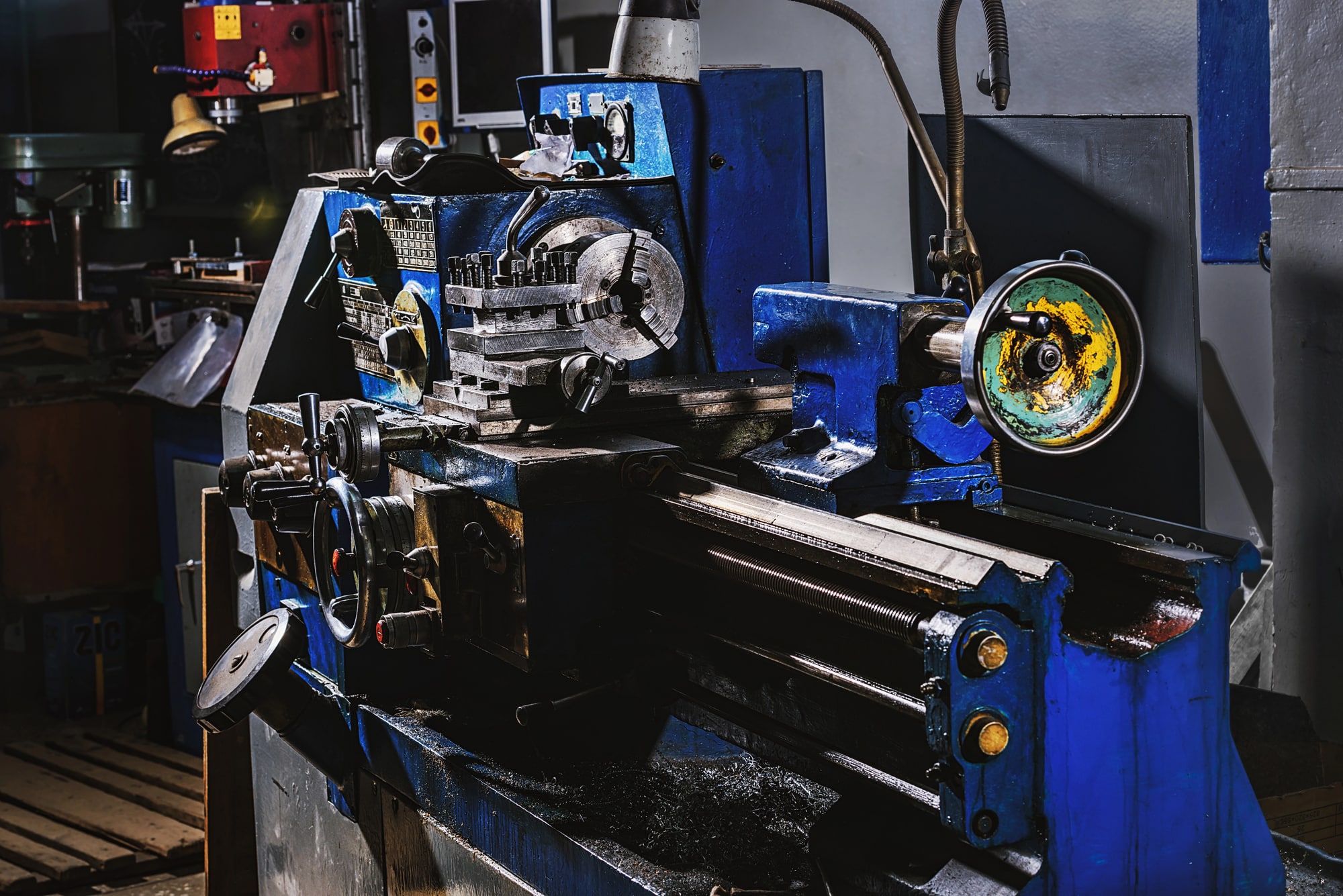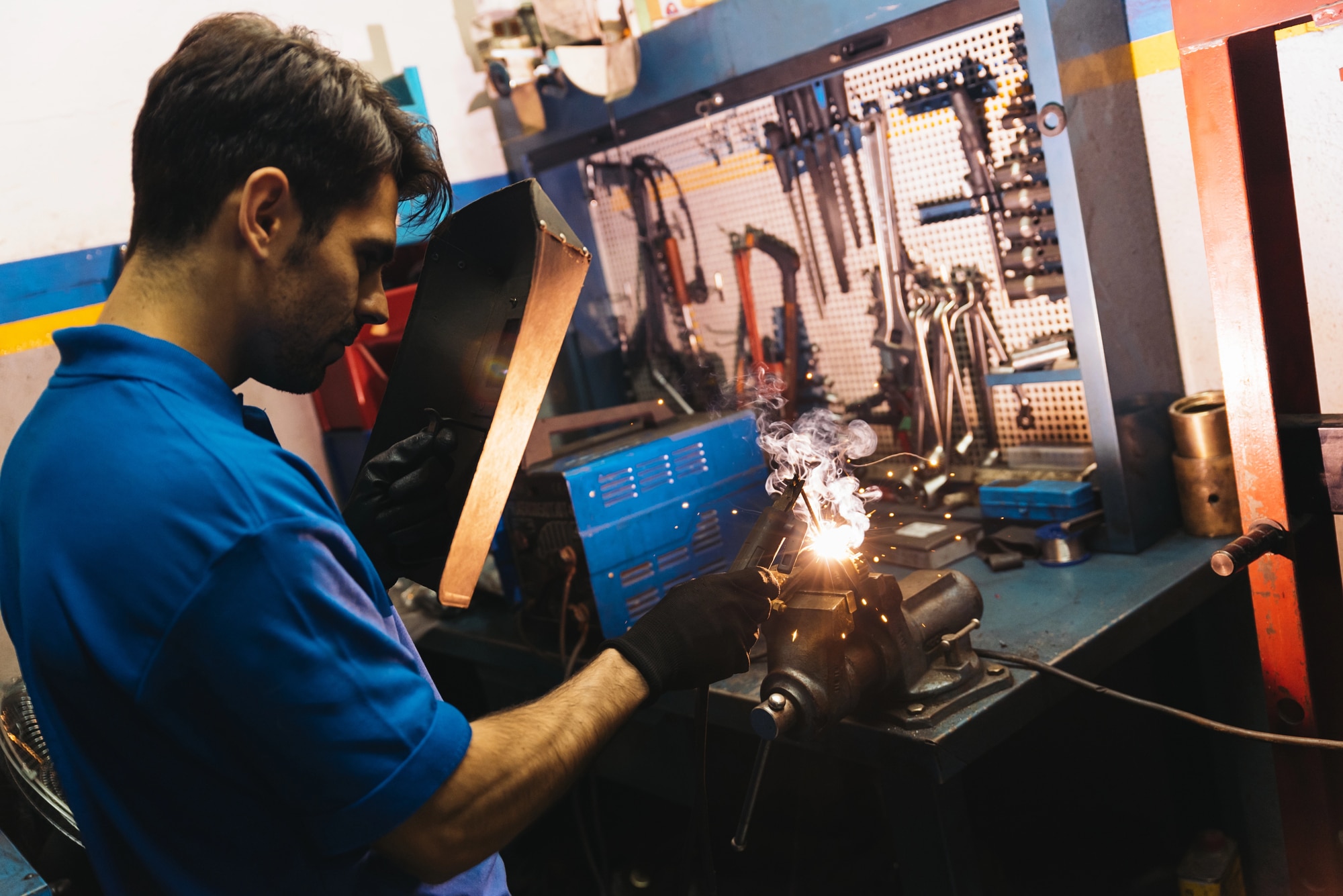
When a machine tool starts losing accuracy, creating poor finishes, or requiring more frequent service, the first question is not always “Should we buy new?” In many cases, the better question is, “What level of service will return this machine to reliable production?”
For manufacturers, the decision between repair, rebuild, retrofit, and replacement affects far more than the equipment budget. It can impact production schedules, tooling compatibility, operator training, floor layout, part quality, and long-term cost of ownership.
When a Repair May Be Enough
A repair is often the right choice when the issue is isolated. A failed bearing, worn coupling, damaged way cover, lubrication problem, electrical fault, or hydraulic leak may not require a complete rebuild. If the machine is otherwise sound and still holding geometry, targeted service can restore production quickly and cost-effectively.
Repairs are especially valuable when a machine is needed for current production and downtime must be minimized. In these cases, on-site troubleshooting can help identify whether the issue is mechanical, electrical, hydraulic, or related to the CNC control.
When a Rebuild Makes Sense
A rebuild becomes more appropriate when wear is no longer limited to one component. If the machine has chronic accuracy issues, excessive backlash, poor repeatability, worn ways, inconsistent finishes, or recurring breakdowns, a deeper restoration may be needed.
A proper rebuild is not just cosmetic. It may involve teardown, cleaning, inspection, way and slide restoration, mechanical rebuilds, lubrication system work, electrical service, alignment, calibration, and testing. The goal is to restore the machine’s accuracy, reliability, and confidence in production.
When a Retrofit Should Be Considered
A retrofit may be the right option when the machine structure remains strong, but the control, drives, motors, or electrical systems are outdated. This is common with older machines that still have value but are limited by obsolete electronics or unsupported controls.
A retrofit can improve usability, serviceability, and performance, but it should be evaluated alongside the machine’s mechanical condition. Upgrading controls on a machine with worn geometry will not solve the deeper accuracy problem.
When Replacement Is the Better Choice
Replacement may make sense when the machine no longer fits the work, has severe structural damage, cannot be supported with parts, or would cost more to restore than it is worth. However, replacement also brings hidden costs, including rigging, foundation work, tooling changes, programming adjustments, training, and production disruption.
The Best Decision Starts with Inspection
At Precision Service Machine Tool Rebuilders, we believe the right answer starts with understanding the machine’s actual condition. A structured evaluation can help determine whether the best path is repair, rebuild, retrofit, or replacement.
For many manufacturers, the most cost-effective machine is still the one they already own—provided it can be restored to the accuracy and reliability the work requires.