A machine can appear functional and still be operating out of alignment. That is one of the reasons laser alignment has become such an important service for manufacturers who depend on precision, repeatability, and long-term machine health.
At Precision Service Machine Tool Rebuilders, laser alignment is a core service offering. Precision Service MTR describes its laser alignment work as using advanced laser systems for highly accurate, non-contact diagnostic checks and correctional adjustments, and notes that the service helps restore straightness, squareness, and level so equipment can perform the way it was designed to.
Alignment Affects More Than Accuracy
When equipment falls out of alignment, the most obvious concern is often part quality. But alignment issues can affect much more than finished dimensions.
They may contribute to:
- accelerated component wear
- vibration during operation
- uneven loading
- reduced repeatability
- premature tooling issues
- lost efficiency across production runs
Over time, even relatively small alignment errors can create larger mechanical and operational problems.
Why Machines Drift Out of Alignment
Alignment changes can happen for several reasons:
- long-term wear
- heavy use cycles
- foundation or installation issues
- machine movement or relocation
- repairs that require re-establishing geometry
- aging components that no longer support the machine evenly
In many cases, the misalignment develops gradually. The shop may first notice increasing variation in parts or the sense that a machine is not performing the way it once did.
The Value of Laser Alignment
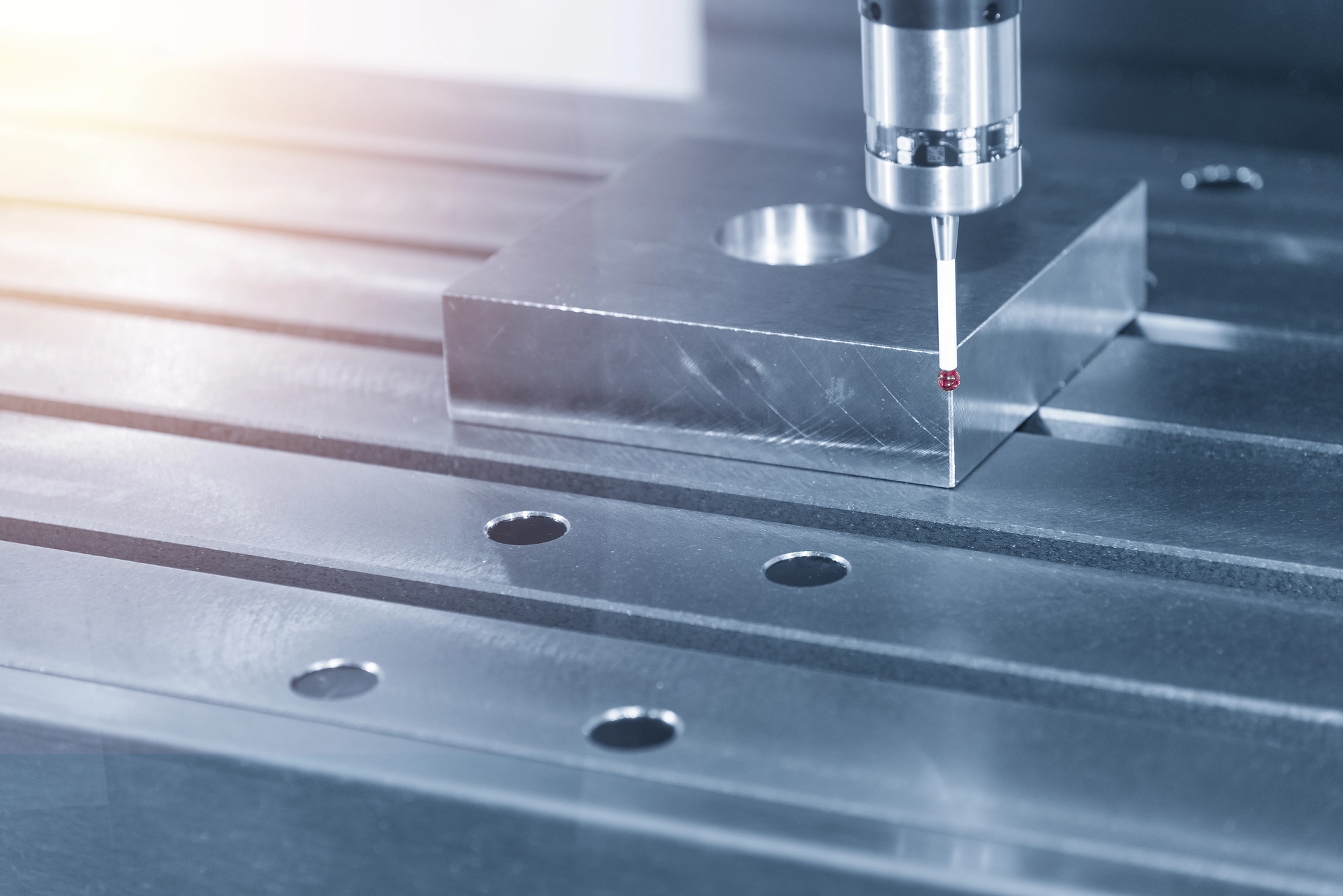
Laser alignment gives technicians a precise method for measuring and correcting machine relationships. Because it is highly accurate and non-contact, it is especially useful in identifying subtle issues that may not be obvious through basic inspection alone. Precision Service MTR specifically highlights those benefits in its published service description.
For manufacturers, that translates into practical advantages:
Better accuracy
Alignment correction helps the machine move and cut more predictably.
Greater repeatability
Consistent geometry supports consistent results from part to part.
Reduced wear
Machines that are properly aligned place less unnecessary stress on critical components.
Stronger foundation for other repairs
When service work is being performed, alignment often needs to be verified so the machine can deliver lasting results after the repair is complete.
When Laser Alignment Is Especially Important
Laser alignment is often valuable in the following situations:
- after a machine has been rebuilt
- when accuracy issues cannot be explained by tooling alone
- after major repairs
- when a machine has been moved or reinstalled
- when wear patterns suggest geometry problems
- as part of a broader precision restoration program
At Precision Service MTR, laser alignment sits alongside hand scraping and alignment, rebuild services, preventative maintenance, and slideway grinding, which reflects how often alignment work is part of a larger effort to restore machine condition.
Laser Alignment and Long-Term Equipment Performance
A common misconception is that alignment is only something to address after a major failure. In reality, laser alignment can be one of the most valuable preventive services a manufacturer invests in. It helps identify issues early and supports better long-term equipment behavior.
This matters because machine performance is cumulative. Small inaccuracies, if left uncorrected, can contribute to larger repair needs later. Proper alignment helps protect the machine’s geometry, production consistency, and service life.
How It Connects to Precision Service MTR’s Capabilities
Laser alignment is not an isolated service. It works best when supported by broader machine knowledge. At Precision Service MTR, that means alignment expertise is part of a larger capability set that includes rebuilds, CNC maintenance and repair, preventative maintenance, on-site service, and precision grinding work.
That integrated perspective is important because alignment issues are often tied to the real condition of the machine, not just a measurement point.
Precision Service MTR’s Perspective
At Precision Service Machine Tool Rebuilders, we see laser alignment as one of the clearest ways to protect machine accuracy and uncover issues before they become more expensive problems. If equipment is expected to perform reliably, it must be straight, square, and level in the ways that matter most to the machine’s operation.
Laser alignment helps make that possible. It gives manufacturers a more accurate picture of machine condition and a better path toward lasting performance.