Preventative maintenance is often treated as a checklist, but effective machine tool maintenance is much more than checking boxes. A good PM program should protect accuracy, reduce unplanned downtime, identify developing wear, and help manufacturers plan service before failures interrupt production.
For shops that depend on CNC machines, lathes, mills, grinders, boring mills, and other production equipment, preventative maintenance is a key part of controlling long-term cost.
Why Preventative Maintenance Matters
A machine tool can appear to be running normally while problems are developing inside the system. Lubrication issues, loose components, worn bearings, contaminated coolant, weak hydraulic performance, chip buildup, and small alignment errors can all progress quietly.
By the time the machine stops running or produces bad parts, the repair is often more expensive and disruptive than it needed to be.
What a Strong PM Program Should Include
A practical PM program should be built around the machine type, operating hours, environment, and production demands. Important inspection areas include:
- Lubrication delivery and fluid condition
- Coolant systems and filtration
- Ways, slides, gibs, and covers
- Ballscrews, bearings, couplings, and gearboxes
- Spindle condition
- Hydraulic and pneumatic systems
- Electrical cabinets, fans, cables, and connectors
- Level, alignment, backlash, and repeatability
- Safety guarding, interlocks, and housekeeping
The goal is not only to find what is wrong today, but to identify what is likely to become a problem next.
PM Helps With Planning
One of the biggest advantages of preventative maintenance is predictability. When wear is documented early, repairs can often be scheduled around production rather than handled as emergencies.
This is especially valuable for bottleneck machines or equipment that supports critical jobs. A planned repair is almost always easier to manage than a surprise breakdown.
Maintenance Should Fit the Machine
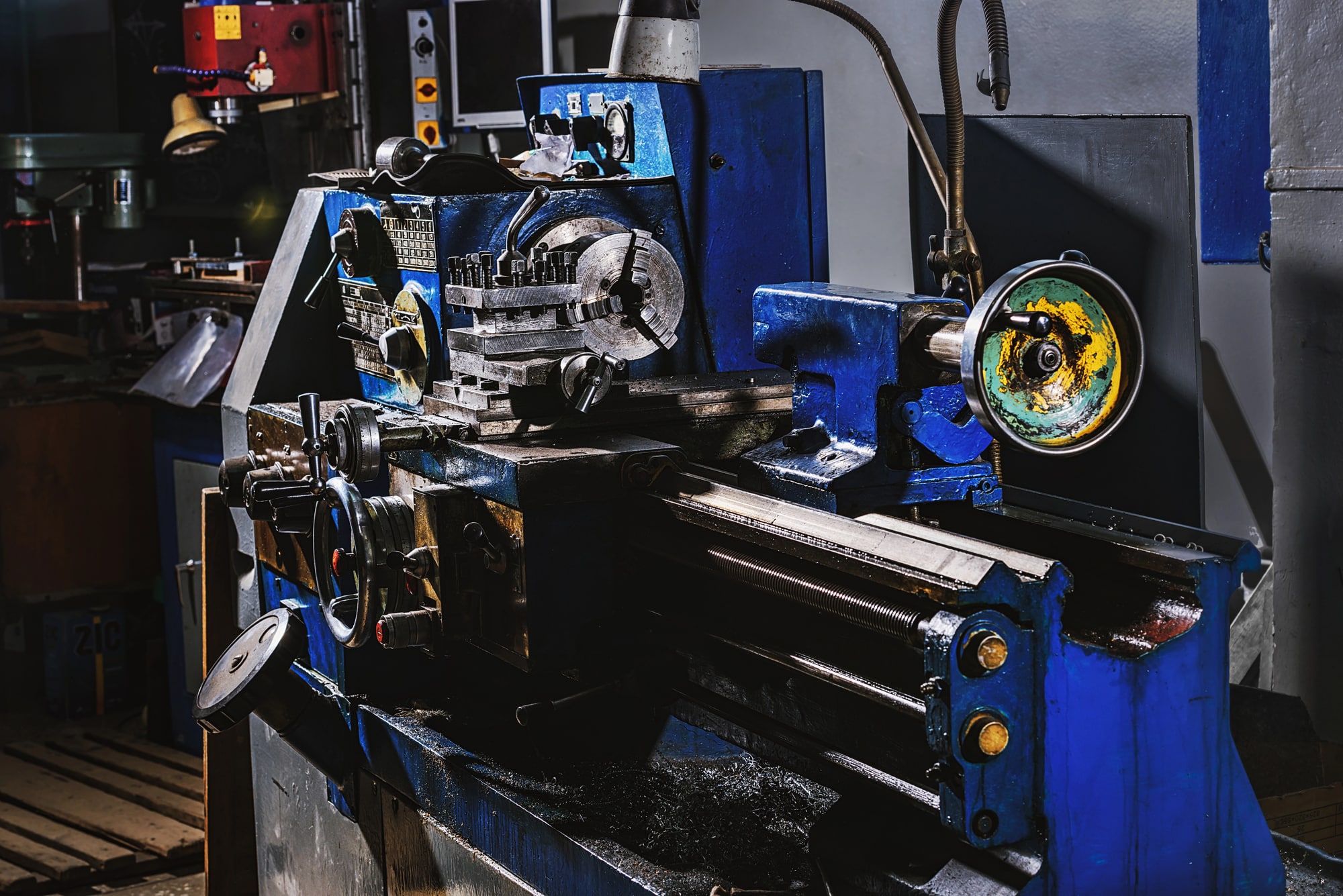
Not every machine needs the same PM schedule. A high-production CNC turning center running multiple shifts will have different maintenance needs than a manual toolroom lathe used occasionally. Machines exposed to abrasive materials, heavy chips, coolant contamination, or high heat may also need more frequent checks.
At Precision Service Machine Tool Rebuilders, our preventative maintenance approach focuses on real-world machine condition. The best PM program is one that keeps equipment accurate, reliable, and ready for the work your shop depends on.