Chatter, taper, and poor surface finish are common machining problems. They are also easy to misdiagnose. Tooling, feeds, speeds, fixturing, programming, and material can all contribute, but when the same issues continue across jobs, the machine itself may be part of the problem.
Knowing when to look deeper can save time and prevent repeated troubleshooting that never reaches the root cause.
Chatter Is Not Always a Cutting Data Problem
Chatter often leads teams to adjust speed, feed, depth of cut, inserts, holders, or workholding. Those changes may help, but machine condition can also create or amplify vibration.
Possible machine-related causes include worn spindle bearings, loose components, worn ways, poor slide contact, leveling problems, backlash, or weak foundation support. If chatter appears on multiple setups or gets worse over time, a mechanical inspection may be needed.
Taper Can Point to Geometry Issues
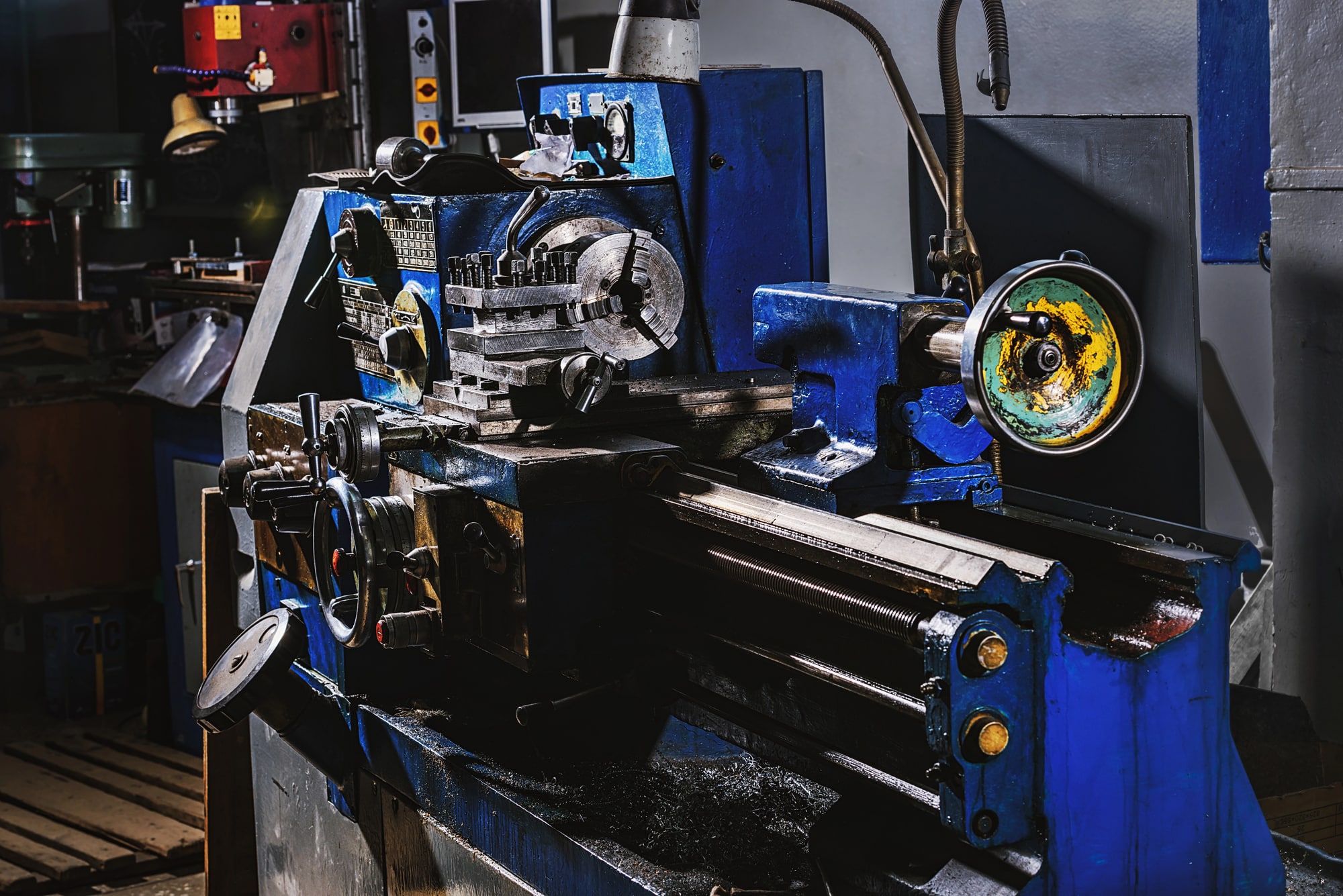
Taper on turned or bored parts can come from tooling or setup, but it can also indicate misalignment. On lathes, taper may be tied to bed wear, headstock alignment, tailstock alignment, carriage wear, or leveling. On mills and boring machines, taper-like errors may result from axis squareness problems, ram alignment, or table movement issues.
The longer the travel or larger the part, the more small geometric errors can show up in the finished work.
Poor Finish Can Have Mechanical Causes
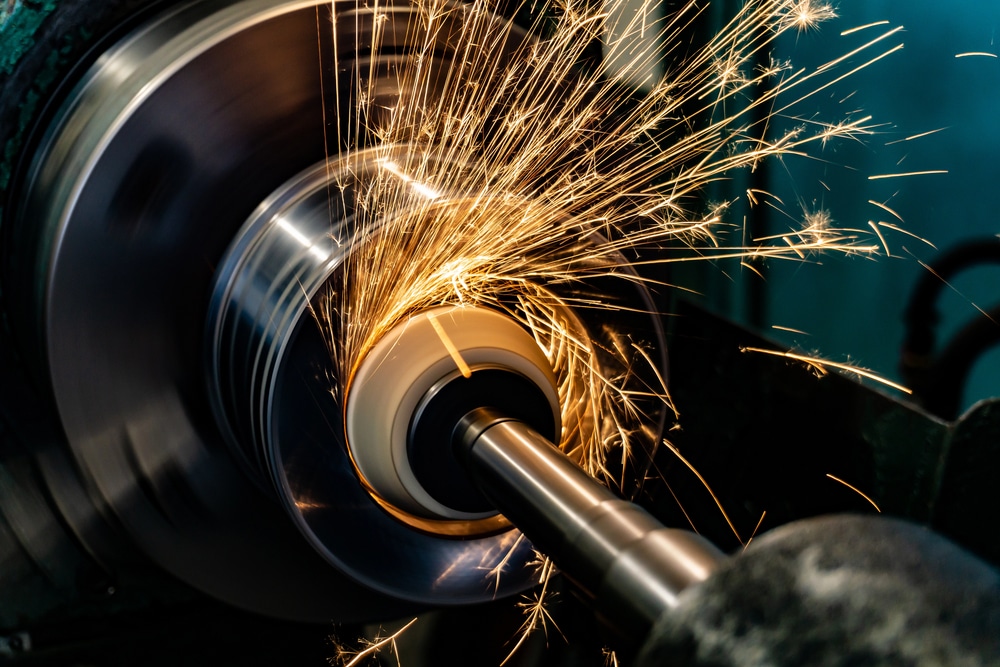
Surface finish problems may be related to insert condition or cutting parameters, but machine wear can also contribute. Worn slides, inconsistent lubrication, spindle runout, loose gibs, vibration, or ballscrew issues can all affect finish quality.
When finish problems appear even after tooling changes, the machine should be part of the troubleshooting process.
Look for Patterns
Before assuming the machine is the cause, look for patterns:
- Does the issue repeat across different jobs?
- Does it change with table position or axis travel?
- Does it appear after the machine warms up?
- Are operators making frequent offsets?
- Has the machine recently been moved, crashed, or serviced?
- Is one machine producing worse results than similar equipment?
These patterns can help determine whether service, alignment, or rebuild work should be considered.
Solving the Root Cause
At Precision Service Machine Tool Rebuilders, we look beyond the immediate symptom. Chatter, taper, and poor finish are often signs that the machine needs attention—not just another tooling change. A proper evaluation can help identify whether the right next step is alignment, component repair, way restoration, spindle work, or a more complete rebuild.