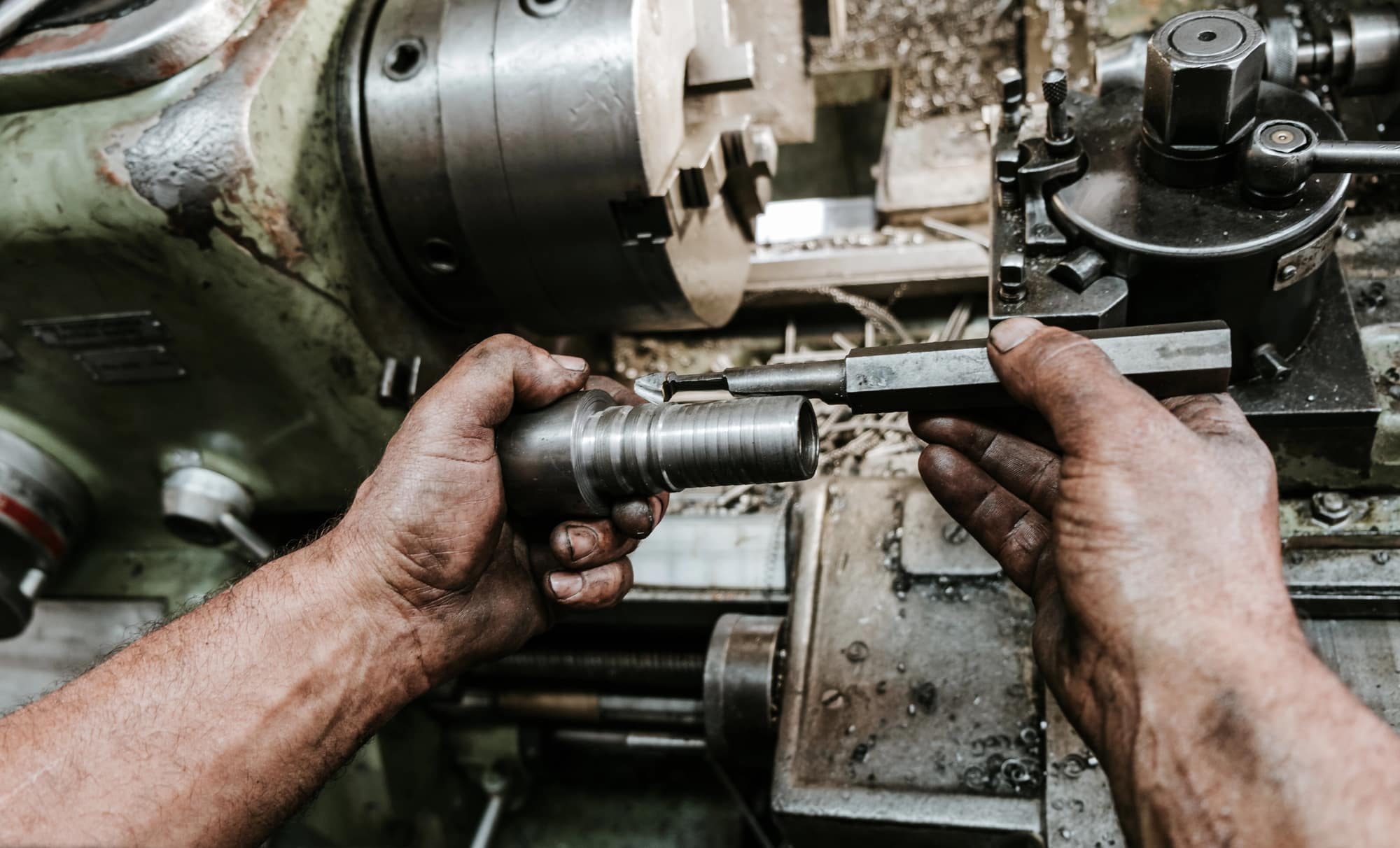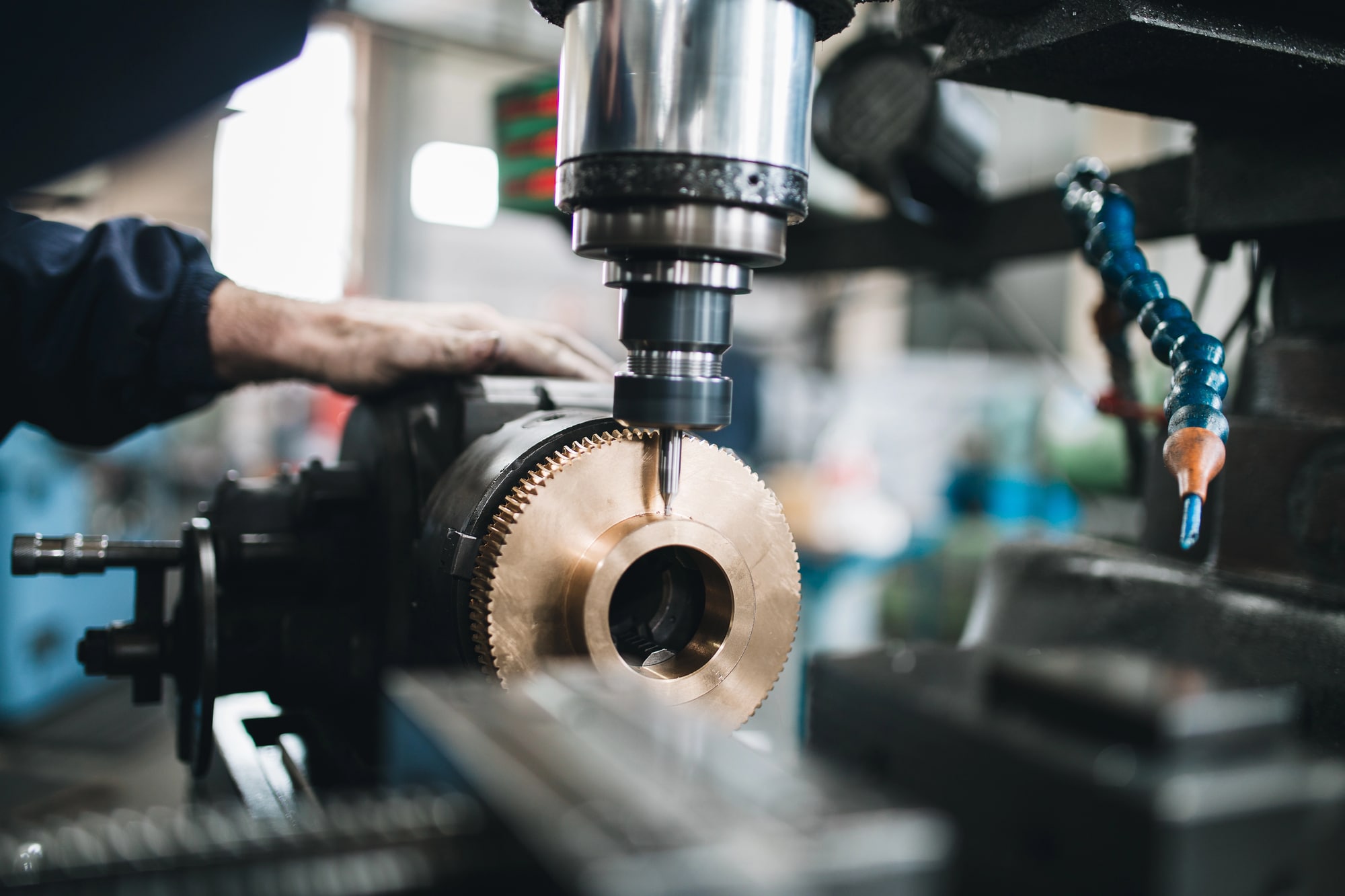
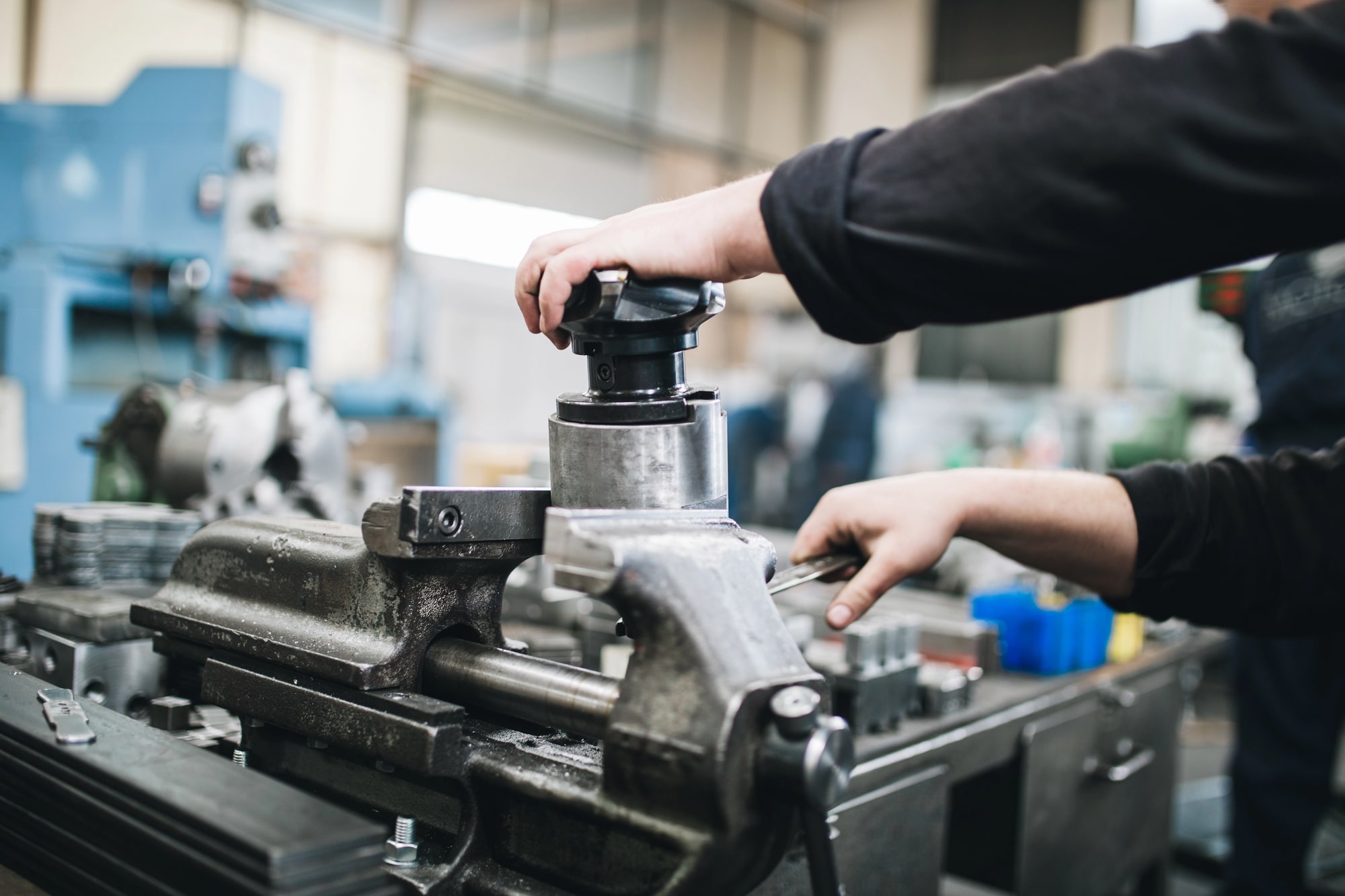
A machine tool can appear relatively clean and functional while concealing years of wear beneath its covers, slides, and assemblies. When performance problems have spread across multiple systems, external inspection may not provide enough information to define the complete repair scope.
A structured teardown allows the machine to be evaluated at the component level.
More Than Taking the Machine Apart
A professional teardown is a controlled process. Components must be removed, identified, protected, and documented so their condition and relationships can be evaluated.
Depending on the machine and scope, disassembly may expose:
- Ways, slides, gibs, and bearing surfaces
- Ballscrews, leadscrews, and thrust assemblies
- Spindles, bearings, gears, and clutches
- Hydraulic pumps, valves, cylinders, and lines
- Lubrication meters, tubing, and passages
- Motors, drives, wiring, switches, and feedback devices
- Way covers, wipers, guarding, and sheet metal
- Machine castings and mounting surfaces
Cleaning is also an important part of inspection. Sludge, chips, dried lubricant, and old coatings can hide scoring, blocked passages, damaged lines, and uneven wear.
Wear Patterns Tell a Story
Once components are accessible, their wear patterns can reveal how the machine has been operating.
Uneven contact may point to misalignment. Scoring may indicate contamination or lubrication failure. Localized wear may show where the machine performed most of its work. Damaged bearings or couplings may help explain vibration, backlash, or inconsistent movement.
This information helps distinguish isolated component failures from broader geometric or systemic problems.
Teardown Helps Define the Right Scope
Without sufficient inspection, repair decisions can become reactive. One worn component is replaced, the machine returns to production, and another underlying problem soon appears.
A teardown makes it possible to evaluate related systems together and develop a more complete plan. Components can be classified for reuse, repair, rebuilding, or replacement. Necessary grinding, scraping, alignment, electrical, hydraulic, and lubrication work can then be coordinated.
Not every project requires complete disassembly. A targeted repair may be appropriate when the problem is isolated and the rest of the machine remains in good condition. Teardown becomes especially valuable when a machine has widespread wear, repeated failures, chronic accuracy problems, or an uncertain service history.
Building the Machine Back with Purpose
At Precision Service Machine Tool Rebuilders, disassembly and inspection provide the foundation for a comprehensive rebuild. What we learn during teardown guides the restoration of mechanical condition, geometry, support systems, and controls.
The objective is not simply to replace worn parts. It is to understand how the machine reached its current condition and rebuild it as a complete, dependable production asset.
If repeated repairs are no longer producing lasting results, contact Precision Service Machine Tool Rebuilders to discuss whether a comprehensive evaluation and rebuild are appropriate.