
A maintenance checklist should fit the machine it is used for. A generic checklist may catch obvious issues, but different machine tools have different wear points, risks, and inspection needs.
A CNC turning center, manual lathe, grinder, vertical mill, horizontal boring mill, and large gantry machine should not all be maintained the same way.
Why Machine Type Matters
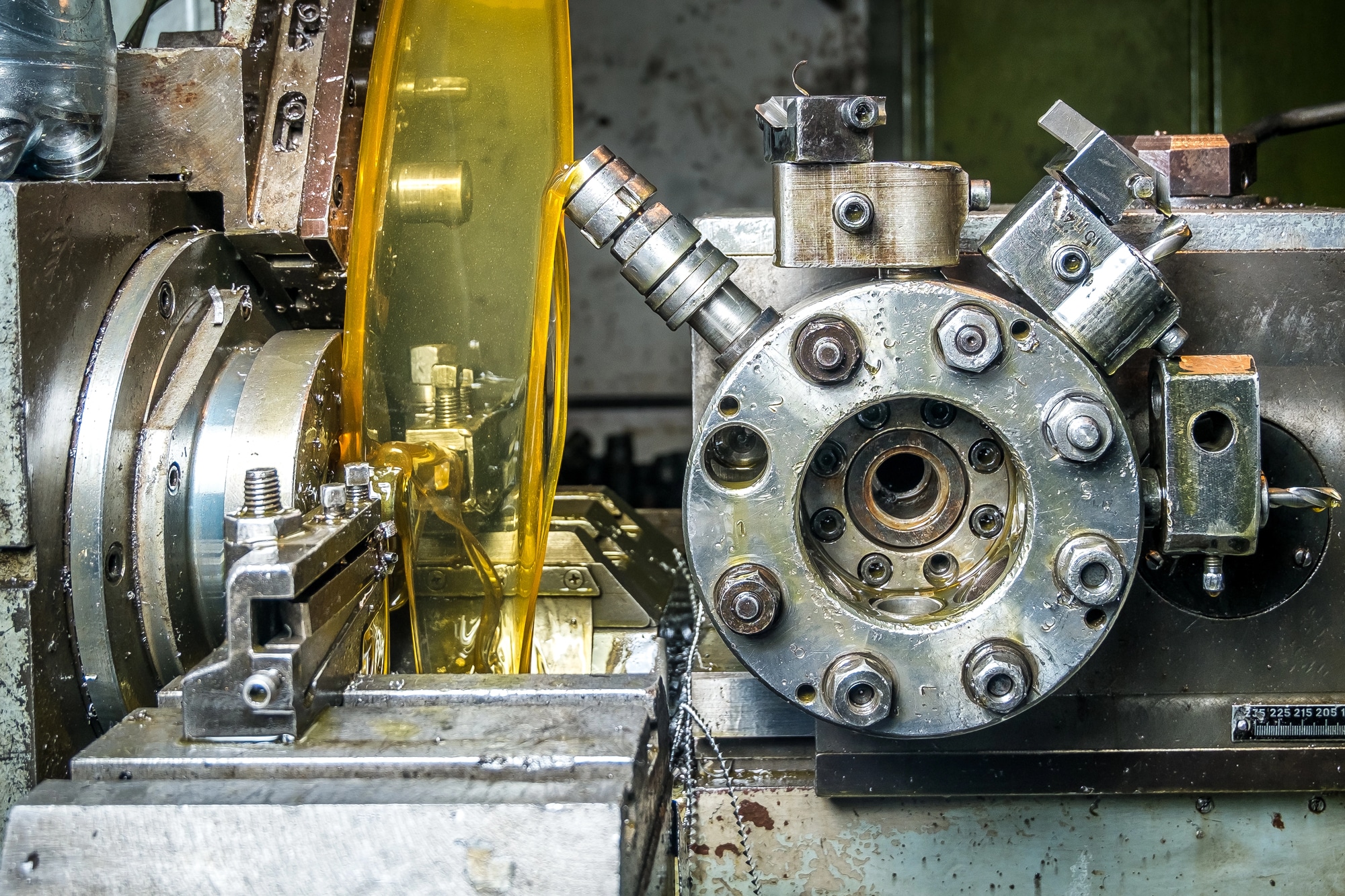
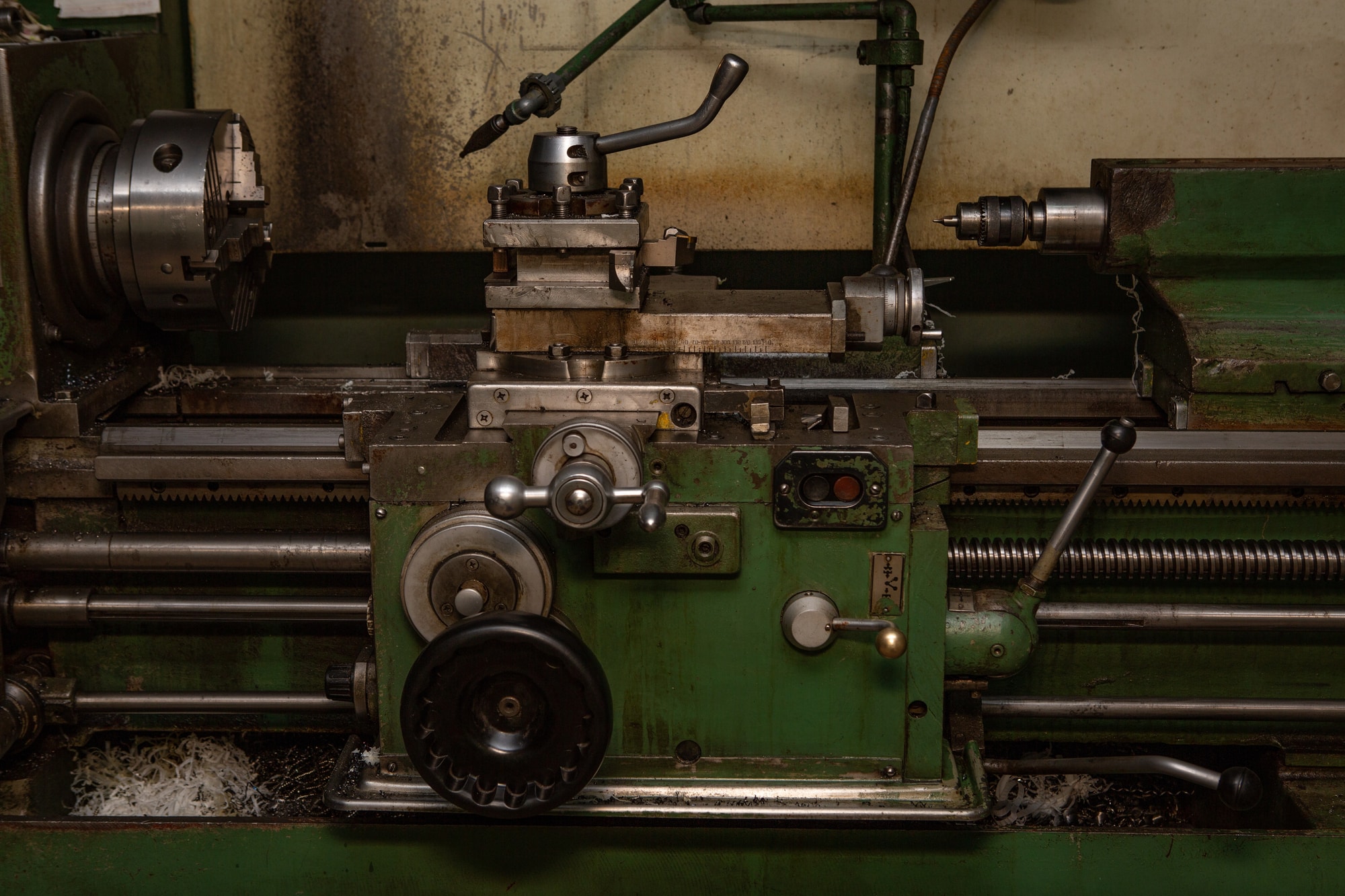
Each machine has its own motion, load, structure, cutting process, and support systems. A grinder may require special attention to wheelhead condition, table movement, coolant cleanliness, and precision ways. A lathe may need careful checks of spindle condition, tailstock alignment, turret function, and bed wear. A mill may require attention to spindle tram, ballscrews, way covers, tool changer function, and axis movement.
A checklist should reflect how the machine actually makes parts.
Start with the Basics
Most machine tool maintenance checklists should include:
- Lubrication levels and delivery
- Coolant condition
- Way covers and wipers
- Visible leaks
- Unusual noise or vibration
- Axis movement
- Spindle condition
- Electrical cabinet fans and filters
- Hydraulic and pneumatic pressure
- Safety devices and guarding
- Operator-reported concerns
These items create a strong foundation.
Add Machine-Specific Checks
After the basics, the checklist should be expanded for the machine type. For example:
- Lathes may need tailstock, chuck, turret, and spindle checks.
- Mills may need tool changer, spindle tram, and table movement checks.
- Grinders may need wheelhead, dresser, coolant, and table checks.
- Boring mills may need ram, table, spindle, and long-travel geometry checks.
- Large machines may need leveling, foundation, and alignment review.
Include Frequency and Documentation
A checklist should identify what is checked daily, weekly, monthly, quarterly, or annually. It should also include space for notes, measurements, unusual findings, and follow-up actions.
Documentation turns a checklist into a useful maintenance record.
Maintenance That Fits Real Production
At Precision Service Machine Tool Rebuilders, preventative maintenance is most effective when it is practical. The goal is not to create paperwork for its own sake. The goal is to catch problems early, protect accuracy, and help manufacturers keep essential machines running.
A good checklist should serve the machine, the operators, and the production schedule.