Gibs may not be the largest components in a machine tool, but they have a major influence on how accurately and smoothly the machine moves. A properly fitted gib helps control clearance between sliding surfaces while supporting stable motion along the axis.
When gib condition or adjustment is overlooked, the machine may become loose, difficult to move, or inconsistent across its travel.
What a Gib Does
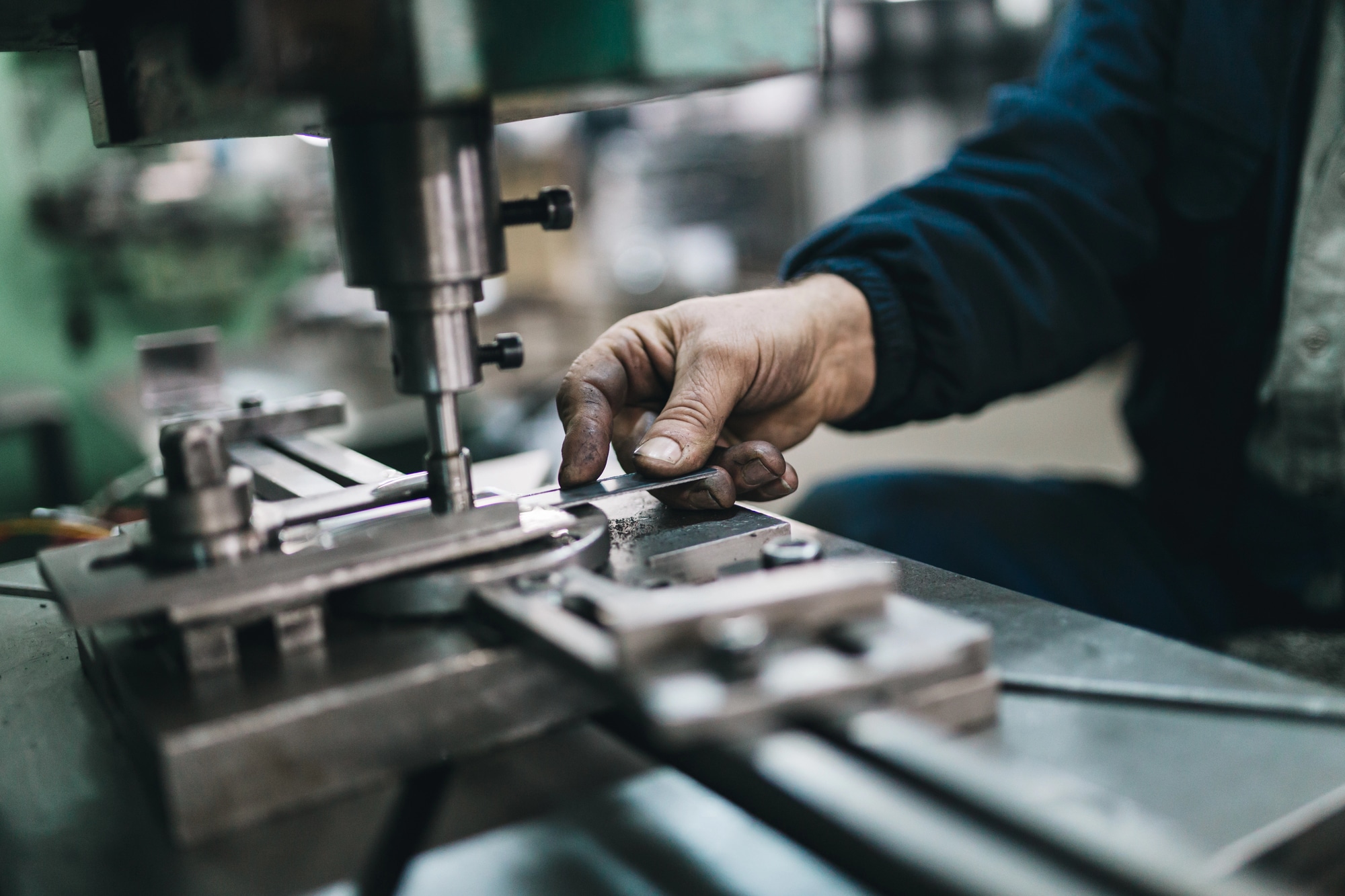
A gib fills and controls the space between mating slide surfaces. It helps guide movement, limit unwanted play, and maintain the relationship between components such as a table and saddle or a carriage and bed.
The correct fit requires balance. A gib that is too loose may allow movement that affects accuracy and finish. A gib that is too tight may cause binding, uneven travel, heat, or increased demand on the drive system.
Symptoms of Gib-Related Problems
Gib wear or improper adjustment may contribute to:
- Loose or unstable axis movement
- Chatter during cutting
- Poor surface finishes
- Difficulty holding tolerance
- Changes in accuracy across the machine’s travel
- Stick-slip or jerky motion
- Excessive servo load
- Uneven wear on ways or liners
- Binding near one end of travel
- Frequent need for adjustment
These symptoms can overlap with ballscrew, bearing, lubrication, alignment, or way problems. The gib should therefore be evaluated as part of the complete motion system.
Adjustment Cannot Correct Every Condition
Tightening a gib may temporarily reduce looseness, but adjustment has limits. If the ways are worn unevenly, a setting that feels correct in one area may cause binding elsewhere.
This is common when a machine has spent years working within the same portion of its travel. The heavily used area may be significantly more worn than the rest of the way surface. Tightening the gib to compensate in that section can make the unworn areas too tight.
In those cases, the machine may need more than an adjustment. Grinding, hand scraping, liner replacement, gib refitting, or broader geometric restoration may be required.
Fitting and Lubrication Matter
A gib must make appropriate contact with its mating surface and allow lubricant to reach the areas that need it. Poor contact can concentrate loads, while inadequate lubrication can accelerate wear and contribute to scoring or stick-slip motion.
During a rebuild, our work may include inspecting the ways and gib, correcting mating surfaces, replacing worn bearing material, hand scraping for proper contact, restoring lubrication delivery, and aligning the assembly.
Restoring Controlled Movement
At Precision Service Machine Tool Rebuilders, we treat gib condition as part of the machine’s overall geometry. The objective is not simply to remove looseness. It is to restore smooth, stable movement without creating excessive friction or binding.
If an axis feels loose, tight, inconsistent, or difficult to adjust, contact Precision Service Machine Tool Rebuilders. We can evaluate the slide assembly and determine whether adjustment, repair, or more complete restoration is appropriate.